Top 3 Most Dangerous Lone Worker Jobs
Some people seem to think that lone workers are rare. But actually, they’re very common nowadays. You have plumbers and electricians – all you would need to really do is search for ‘plumbers near me‘ on the internet, and voila, they are at your doorstep! Real estate agents often show off homes without any else. Sometimes nurses or doctors go alone inside a patient’s room. You see them everywhere but you really don’t notice that they’re alone without others from their company. You don’t even think about the dangers of working alone unless you suddenly become one of these workers and realize how vulnerable you are. If you’re the boss of these people, you need to think of their welfare as well.
Some of these jobs may seem safe, but others are downright dangerous. Here are 3 of the worst and most dangerous jobs that lone workers do:
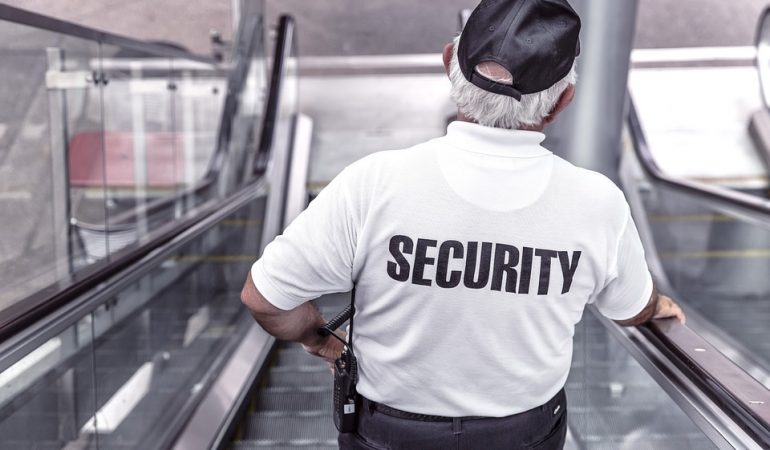
1. Security Guards
The fact that a company or a shop needs security guards means there’s a need for security. Businesses don’t usually hire people they don’t really need, so being a security guard can be dangerous.
It’s especially dangerous when you only have a single security guard to watch over your business at off hours. Even when you have a group, sometimes it’s more efficient to check places with security guards going off alone. While some companies have 2 guards working together, other companies may require single workers checking areas alone so the work can be completed with a large area to check.
It’s dangerous because you may have properties in place that other people may like to steal. They may hurt security guards to steal what they want, and they can be armed-and dangerous.
Security guards may want to apply for jobs that allow concealed carry. This usually requires additional licensing (like an armed guard license) above and beyond a concealed carry license but it’s important to know that such roles exist should you want additional protection against potentially deadly criminals during your shift. You can learn more about the laws surrounding traditional concealed carry here and a lot of this will be relevant to security guards too – https://gunlawsuits.org/gun-laws/virginia/concealed-carry/. If you are looking into this for yourself or an employee, you may want to seek legal counsel first.
2. Late Night Retail Store Workers
Some retail stores may have a single worker behind the counter working, and this is inherently dangerous. Yes, it’s true that most people are nice and harmless, but there are exceptions to this rule. It’s possible that a worker’s alone and there are no other customers expect for a single one with a knife or a gun. This is an absolute nightmare can really happen.
This is the reason why some shops such as petrol stations that are equipped with a bulletproof screen. Late night shops that sell alcohol can be a very great risk, as drunken people can come in to harass or even hurt the lone worker.
This can be a very scary type of job, and it’s dangerous. It’s best if you don’t have women as your lone workers at night, but even male workers are still at risk. You need greater security measures in place and you may want to hire a security guard late at night to help deter criminals from even trying.
3. Social Workers
Many types of people come in to other people’s home, and these include electricians, plumbers, audio installers, and handymen. You may even have nurses that come in to help with sick or injured people. Inherently, these types of workers are already at risk because you simply don’t know what kind of people are in these homes.
But probably the most at risk are social workers. That’s because a social worker tends to work with families, and sometimes their decisions are not taken calmly. When a social worker comes to take a child in custody, a lot of bad things can happen as some of the family members may react violently.
It’s really best if social workers don’t go in alone when they know there’s a very good chance that people are angry. But government offices aren’t always cognizant of the threats until it’s too late.
The real truth is that all these jobs are dangerous. If you’re they’re boss, you should really take measures to keep them safe, or else it may be too late.