
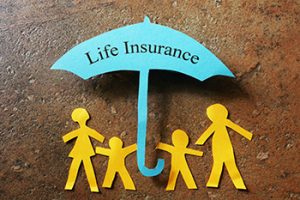
 Life brings its own set of challenges, and getting ready for them is not always an option. When an uncertainty strikes, sometimes having a quality personal insurance coverage can make a huge difference to you and your family. I work with people from all walks of life, and there is one common thread, random things can happen to all of them. If you have personal insurance, your family is covered if something happens to you. This is one of the most important decisions in our life and, one that cannot be taken lightly.
Life Insurance
One of the most common – and most important – personal insurance coverage is the life insurance policy. In short, this policy protects your family of financial loss in case of your death, but its conditions can vary greatly. Do you have a student loan? Do you own a house? Do you wish to save money for your family? These aspects – along with other considerations – decide how much money you leave behind if the unfortunate event were to happen.
Personal Property and Liability Coverage
In this context, liability means having a legal responsibility for something bad happening. Someone slips on your property and breaks his or her leg, or they get tangled in the water hose and fall over, injuring themselves in the process. When we are talking about personal liability insurance, we are talking about these types of situations. With this coverage, however, you are very likely protected against such lawsuits.
Title Insurance
The title refers to certain rights, including being allowed to sell and lease a specific piece of real estate. Under certain circumstances, however, these rights can be challenged and taken away. A title insurance covers scenarios where the legal owner’s rights – or the person with operating rights – are challenged. The purpose of this insurance is to protect the rights to the property. Imagine what would happen if you just purchased a house, and you would receive a large bill for a service you never asked for, and never even knew about. The title insurance – among other things – protects you against a situation like that.
Health Insurance
One of the most common and most important insurance policy is health insurance. If you have it, it means that you do not have to pay for certain treatments or the diagnosing process, but there can be serious limitations. Your general health and financial situation both influence what kind of coverage you can get. There are generally six types of health insurances, a free service, a PPO (stands for preferred provider organisation), an HMO (health maintenance organisation), a point of service, health plans with lower premiums and higher deductibles, and last, but not least, consumer directed or consumer driven health plans.
Whichever you choose, the choosing is not easy, and requires careful consideration on your part, as well as an ample amount of research. If you feel like you are ready, we will help you out, and together find the right solutions for you and your family. It might be the best decision you’ve ever taken.